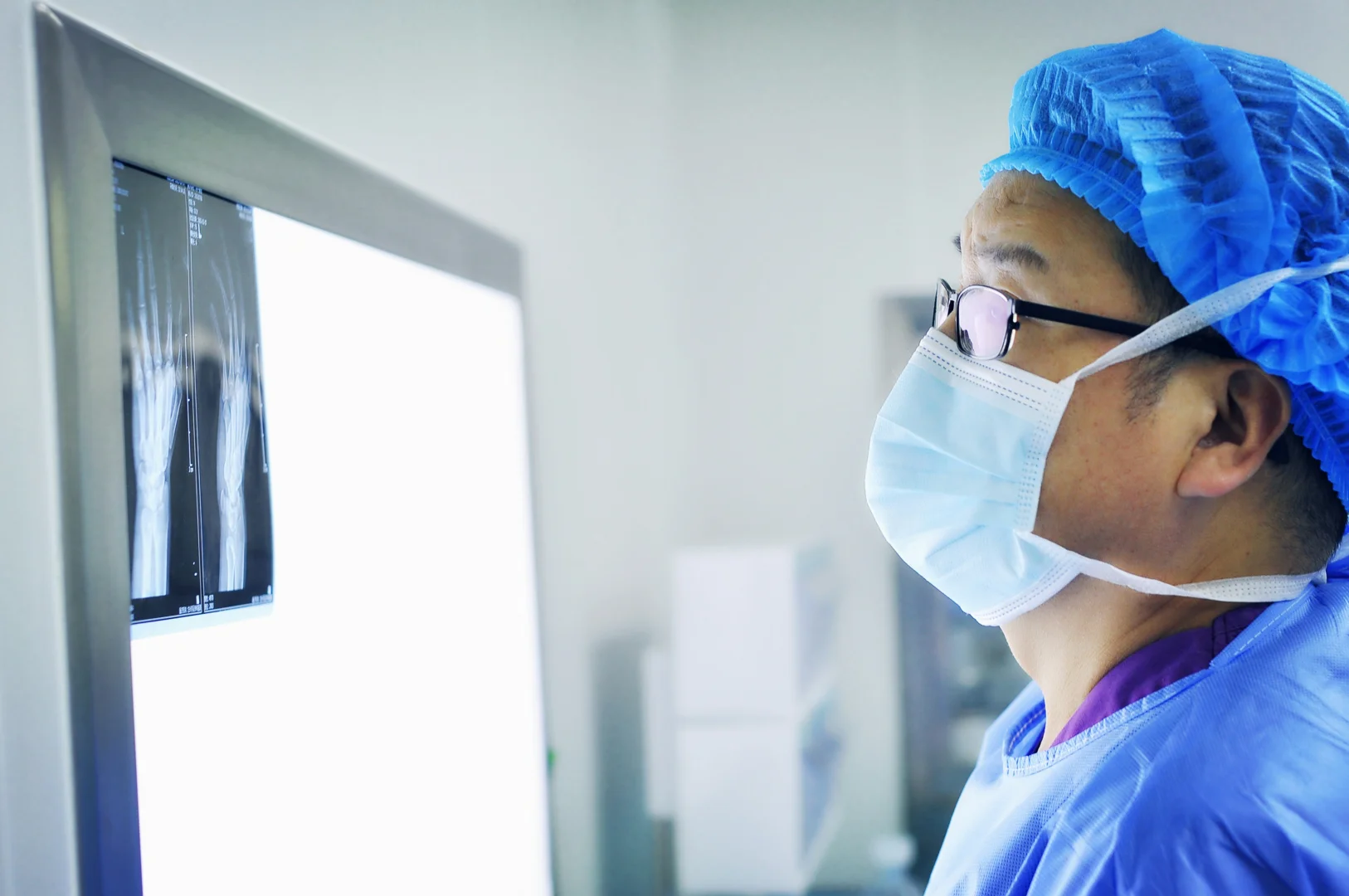

Employee health screenings are a cornerstone of workplace safety and compliance. These medical evaluations determine whether candidates and employees are physically fit to perform their roles, reducing risk for both the individual and the employer.
What Health Screenings Involve
Health screenings vary widely depending on the industry. They may include general physical exams, vaccination checks, tuberculosis (TB) testing, vision and hearing assessments, or respiratory function tests. In regulated fields like transportation, DOT physicals are mandatory. In healthcare, screenings often focus on preventing the spread of communicable diseases.
Why Employers Use Health Screenings
For many employers, screenings are legally required. DOT, OSHA, and healthcare regulations mandate them in specific roles. Beyond compliance, they serve practical purposes: protecting employees from injury, reducing insurance claims, and safeguarding vulnerable populations. In industries like education and healthcare, screenings reassure parents and patients that staff are healthy and safe to interact with.
Compliance Considerations
The compliance landscape for health screenings is complex. OSHA enforces workplace safety standards. The DOT requires physicals for commercial drivers. Healthcare laws dictate vaccination and testing requirements for certain workers. At the same time, the Americans with Disabilities Act (ADA) restricts the types of medical inquiries employers can make, and privacy laws govern how health information must be stored and shared. Employers must navigate all of these rules carefully to avoid liability. For a full breakdown of healthcare-specific background check requirements — including OIG/SAM exclusion checks and license verification — see our
healthcare background check compliance guide.
The Candidate Perspective
Health screenings can be stressful for candidates. They may worry about privacy, scheduling delays, or how results will affect their employment prospects. Employers that communicate clearly, protect confidentiality, and keep the process efficient create a better experience, which can reduce anxiety and prevent delays in hiring.
Industry Applications
- In healthcare, screenings ensure staff are fit for patient care and up to date on vaccinations.
- In transportation, they confirm drivers meet physical standards for operating vehicles.
- In education, they reduce the risk of disease transmission to students.
- In manufacturing, they confirm workers are physically capable of handling demanding environments.
Building a Compliant Program
Employers developing health screening programs should start by identifying which roles legally require medical evaluations. Policies should then specify how and when screenings are conducted, what standards apply, and how information will be protected. It is critical that screenings align with federal and state laws, as well as with industry-specific requirements.
Future Trends in Health Screenings
As public health issues continue to evolve, screenings are becoming more important. Employers are placing greater emphasis on wellness, preventive care, and ongoing monitoring. At the same time, digital tools are making it easier to
manage compliance and track results.